
Lobelia siphilitica L. Great Blue Lobelia

Great lobelia (Lobelia siphilitica): Hardy perennial with blue flowers and an upright habit; Lobelia erinus 'Laguna': Tender perennial with blue flowers and a trailing habit; developed by plant breeders to stand up better to hot summers than other trailing lobelias; Lobelia erinus 'Alba': Tender perennial with white flowers and a trailing habit
Lobelia siphilitica Great Blue Lobelia Mail Order Natives

Noteworthy Characteristics. Lobelia siphilitica, commonly called great lobelia or blue cardinal flower, is a Missouri native perennial which typically grows in moist to wet locations along streams, sloughs, springs, swamps, meadows and in low wooded areas.A clump-forming perennial which features light to dark blue, tubular, 2-lipped flowers with the three lobes of the lower lip appearing more.
Lobelia siphilitica (Great Blue Lobelia), Great Blue Lobelia Beech Hollow Farms
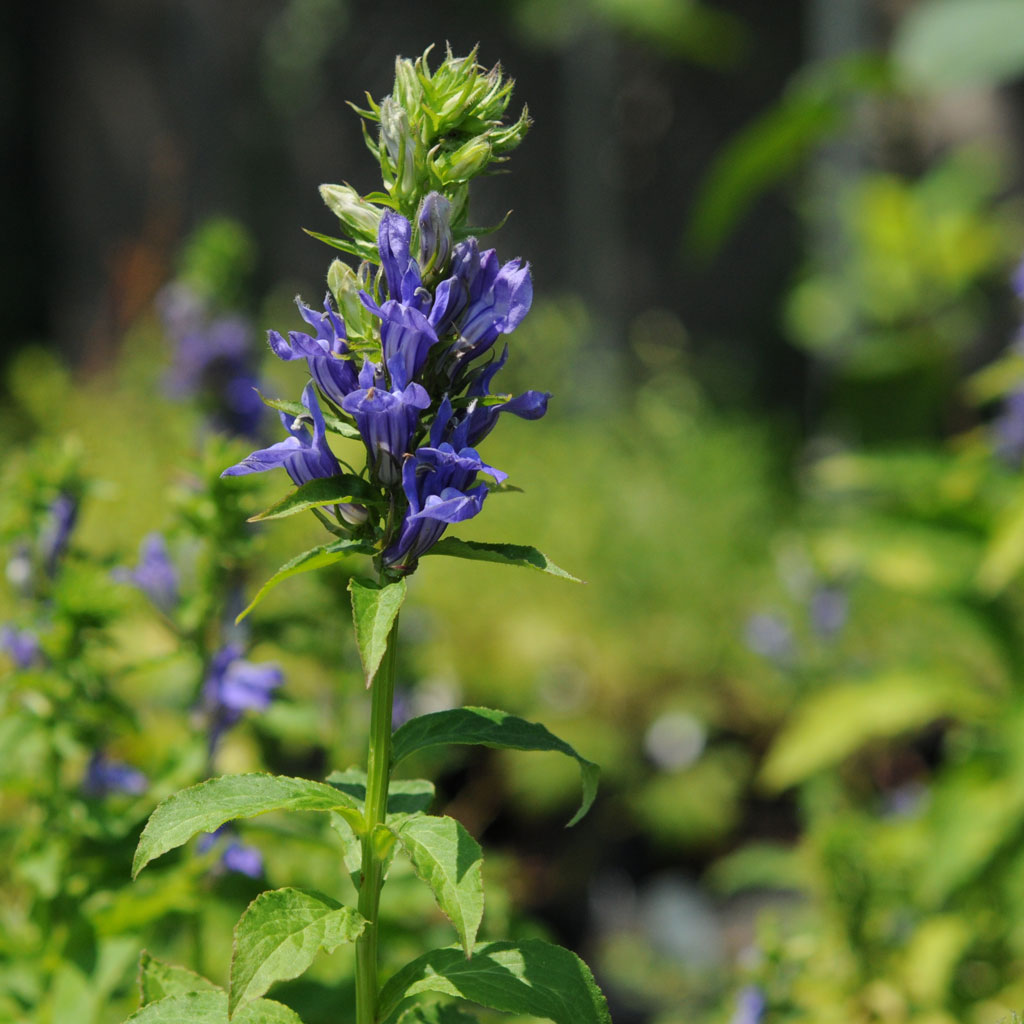
Blue Lobelia is a long-lived perennial flower native to Eastern North America. Scientifically known as Lobelia siphilitica, it will grow 2-4' tall in full sun blooming up to two months beginning in late summer. Important to wildlife, Blue Lobelia will attract numerous species of bees, butterflies, and hummingbirds.
Lobelia siphilitica (blue lobelia, great lobelia) Go Botany

there are five petals, sepals, or tepals in the flower. Fusion of sepals and petals. the petals or the sepals are fused into a cup or tube. Stamen number. 5. Fruit type (general) the fruit is dry and splits open when ripe. Fruit length. 8-12 mm.
Lobelia siphilitica (blue lobelia, great lobelia) Go Botany

Great Blue Lobelia is a herbaceous perennial that may grow 3 to 4 feet tall. The leaves are alternate with a toothed margin. Blue flowers first mature in mid-summer and continue into early fall. The flowers are larger than other Lobelias and have stripes on the tube portion.
Lobelia siphilitica / Great Blue Lobelia Wild Ridge Plants

Introduction. Lobelia siphilitica, commonly known as Great Blue Lobelia, is a herbaceous perennial plant native to the eastern and central regions of the United States. It is particularly prevalent in moist woodland areas and along stream banks. This plant is often valued for its striking blue flowers and its use in native plant gardens and naturalized areas.
Lobelia siphilitica (Great blue lobelia)
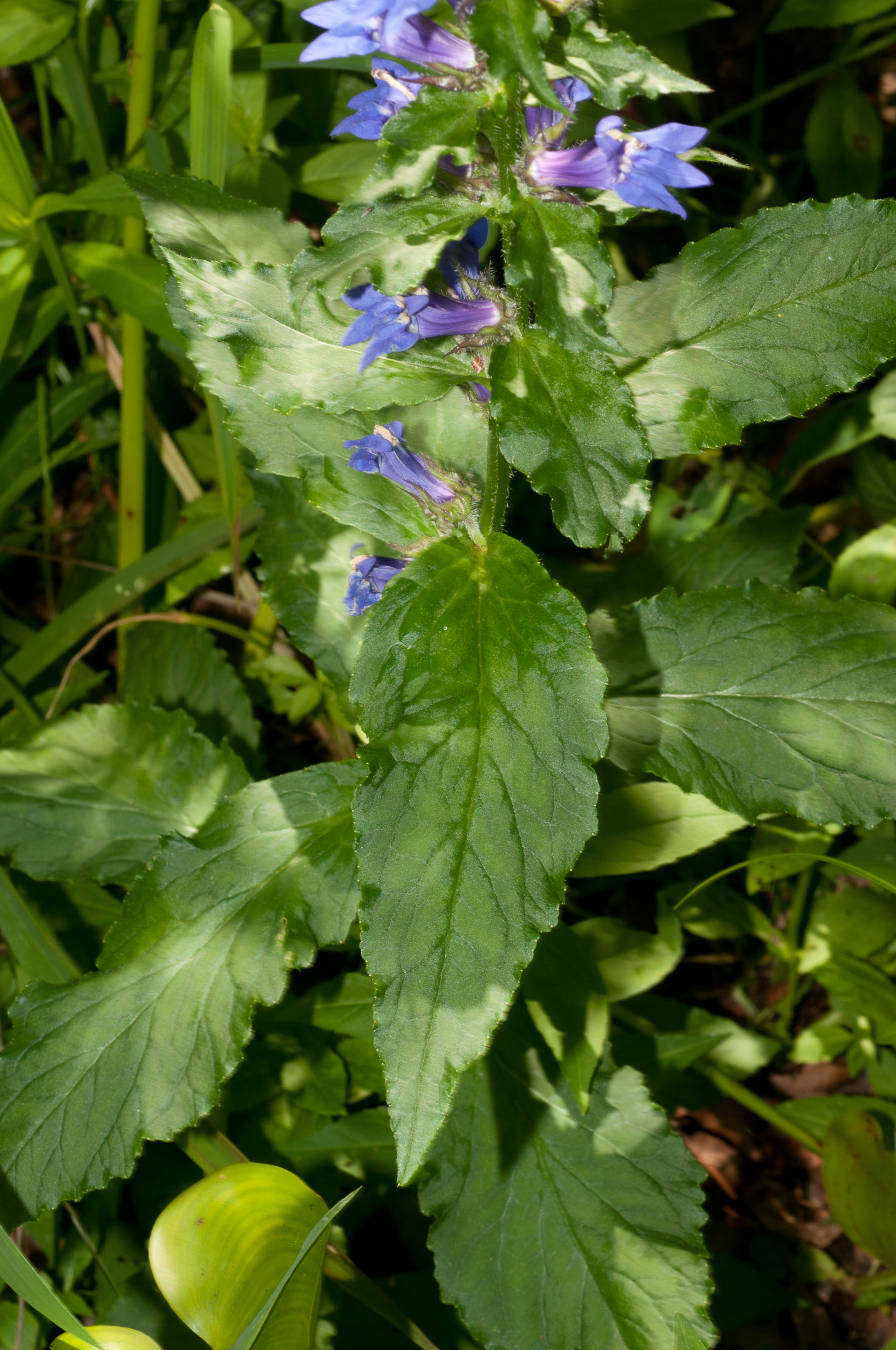
Print Version (Legal Size):Lobelia siphilitica (Great Blue Lobelia) Great Blue Lobelia typically grows in moist to wet locations along streams, swamps, and meadows. It is common in the mountains of the Mid-Atlantic Region, frequent in the Piedmont, and infrequent to non-existent in the Coastal Plain. Lobelias can be impressive, especially en masse.
Lobelia siphilitica (blue lobelia, great lobelia) Go Botany
Great blue lobelia produces flowers that are slightly larger than other lobelia species. The central stem of great blue lobelia terminates in ½ to 2 feet of densely positioned flowers that start to spread slightly as they descend the stem. The flowers occur on individual stalks (pedicels) along the central stem (raceme inflorescence).
Lobelia siphilitica (Great Blue Lobelia) Cavano's Perennials
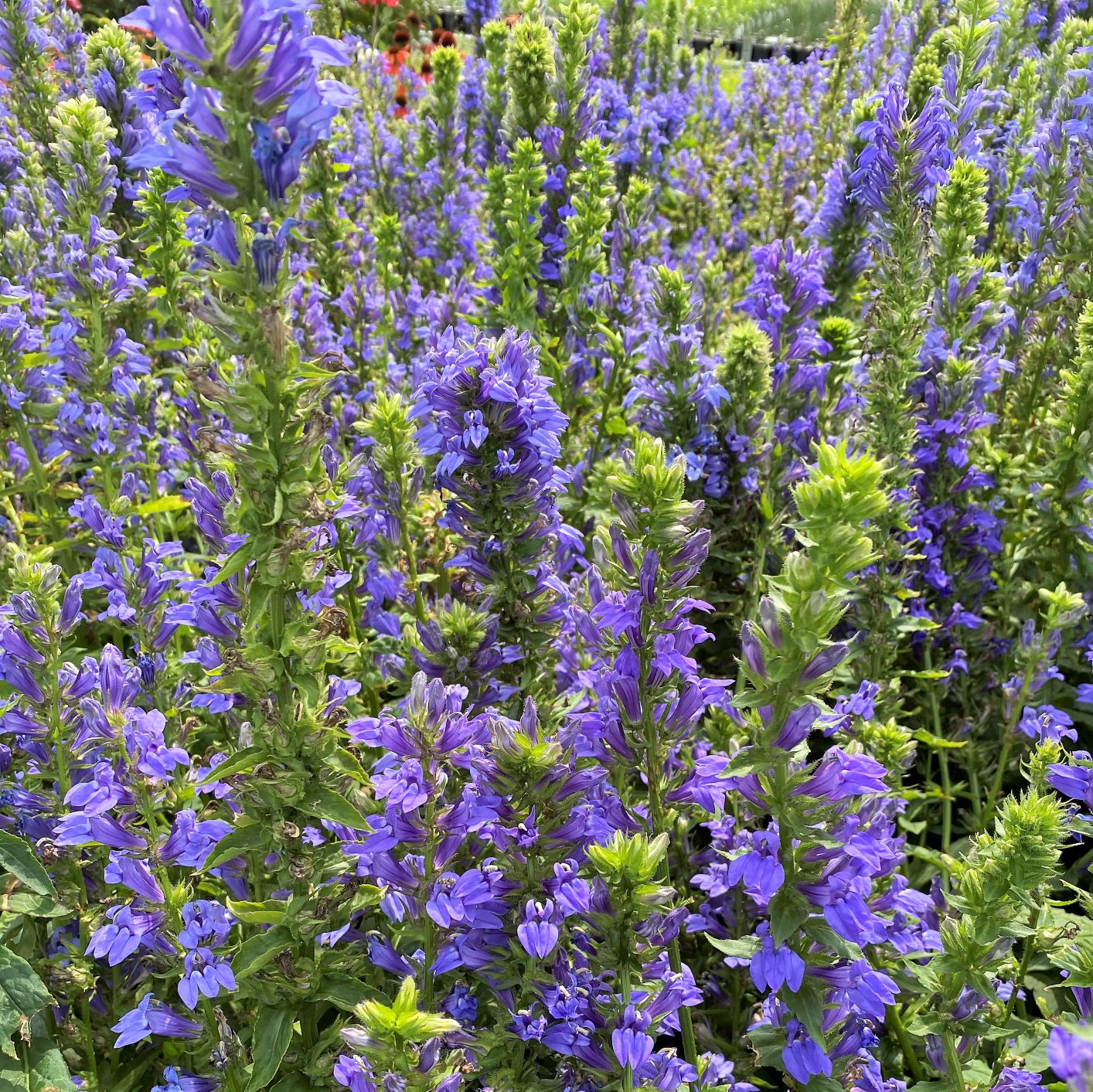
Great blue lobelia naturalizes easily in moist soils, but tolerates periods of drought better than Lobelia cardinalis. Growing 2'-3' tall and 1'-2' wide, L. siphilitica blooms at the same time as L. cardinalis and attracts similar insects. The blue coloring is unusual and is especially striking as it comes into season at the same time.
Lobelia siphilitica (blue lobelia, great lobelia) Go Botany
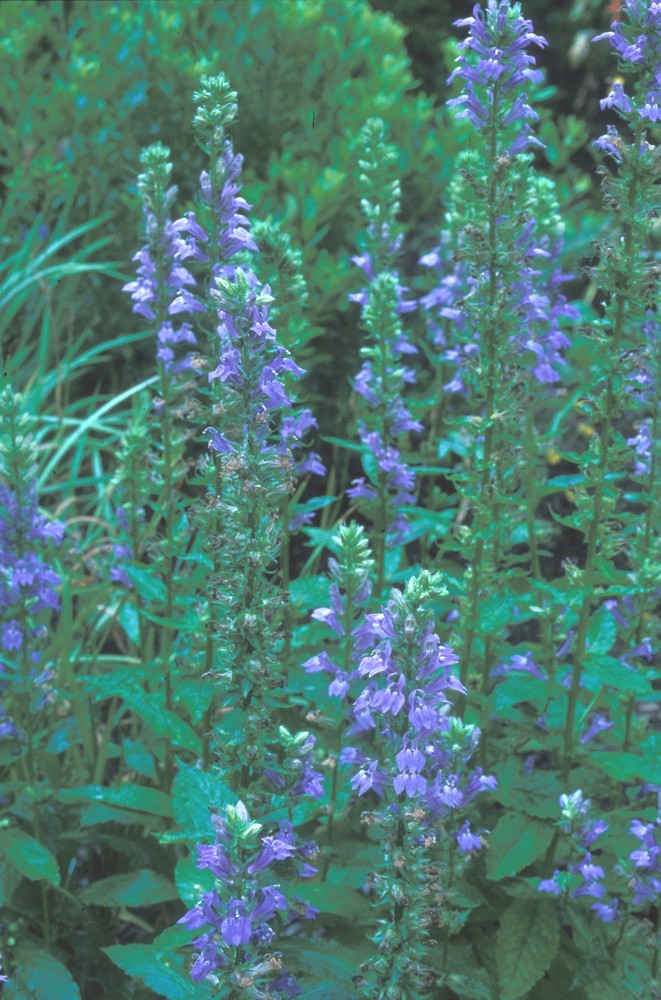
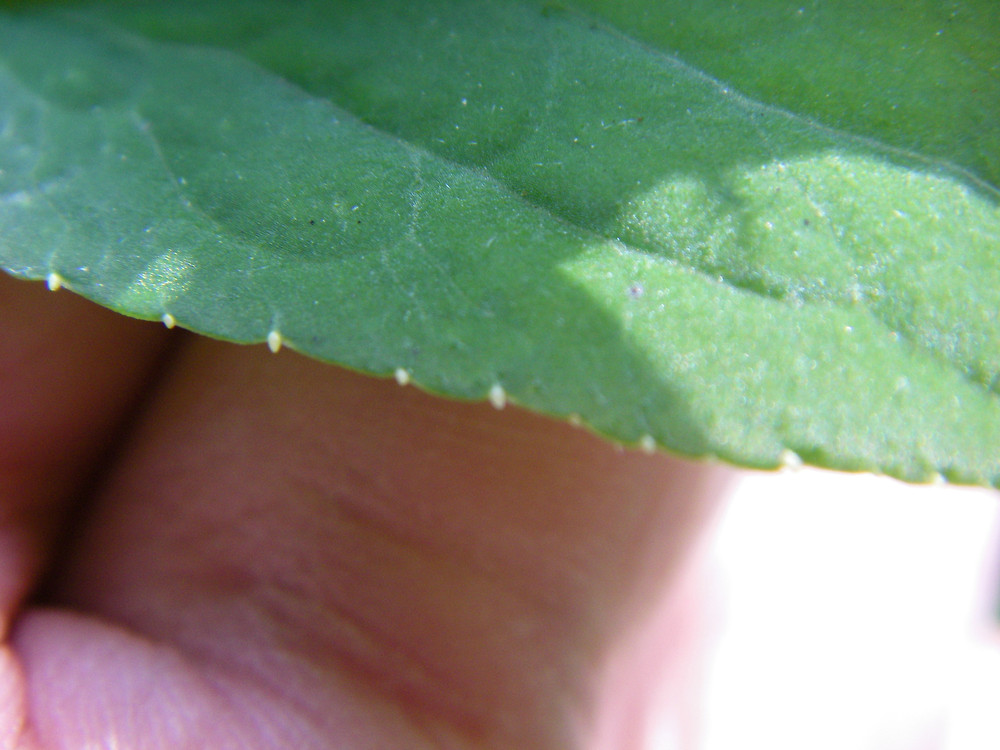
Lobelia siphilitica is a perennial with showy bright-blue flowers. It is an erect, typically unbranched plant that tops off at a height of 4' under optimum conditions. The tubular flowers develop from the leaf axils of the upper third of the stems, creating a dense blue spike. The leaves are alternate, and elliptical with serrated margins.
Blue lobelia (Lobelia siphilitica) Wildflower Seeds Pure Air Natives
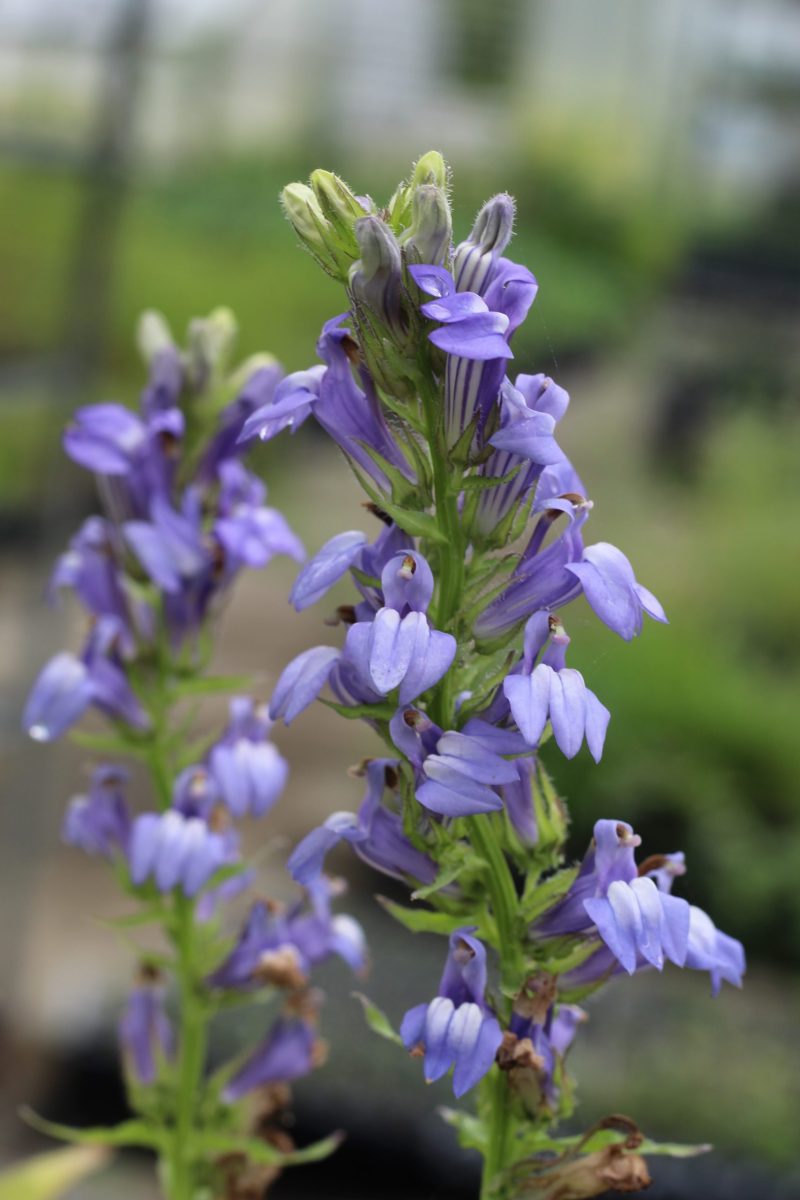
Lobelia siphilitica is a herbaceous perennial, growing between 2′ - 4' feet tall on average and spreading up to 2' feet across. It features an unbranched, sparsely hairy erect central stem bearing lively green foliage. The alternate leaves approximately measure 5" inches long and are a maximum of 2" inches wide.
PlantFiles Pictures Lobelia Species, Blue Cardinal Flower, Great Blue Lobelia (Lobelia

Exceptionally hardy, low care, and fairly pest and disease-free, Great Blue Lobelia tends to be short-lived, although it may self-seed in ideal growing conditions (without becoming invasive). Generally growing 2-3 ft. tall (60-90 cm) and spreading 12-18 in. (30-45 cm), this clump-forming Lobelia thrives in rich, humusy, medium to wet soils in.
PlantFiles Pictures Lobelia Species, Blue Cardinal Flower, Great Blue Lobelia (Lobelia

Great blue lobelia will add height to any garden while also attracting pollinators. Lobelia siphilitica (great blue lobelia), native to eastern and central Canada and United States, typically grow in moist to wet locations along streams, sloughs, spring, swamps, meadows, and in low wooded areas. It features light to dark blue, tubular 2-lipped.
Lobelia siphilitica / Great Blue Lobelia Wild Ridge Plants

Lobelia siphilitica, the great blue lobelia, [3] great lobelia, [4] or blue cardinal flower, [5] is a plant species within the family Campanulaceae. It is an herbaceous perennial dicot native to eastern and central Canada and United States. There are two recognized varieties of Lobelia siphilitica, var. siphilitica and var. ludoviciana. [6]
Lobelia siphilitica (blue lobelia, great lobelia) Go Botany
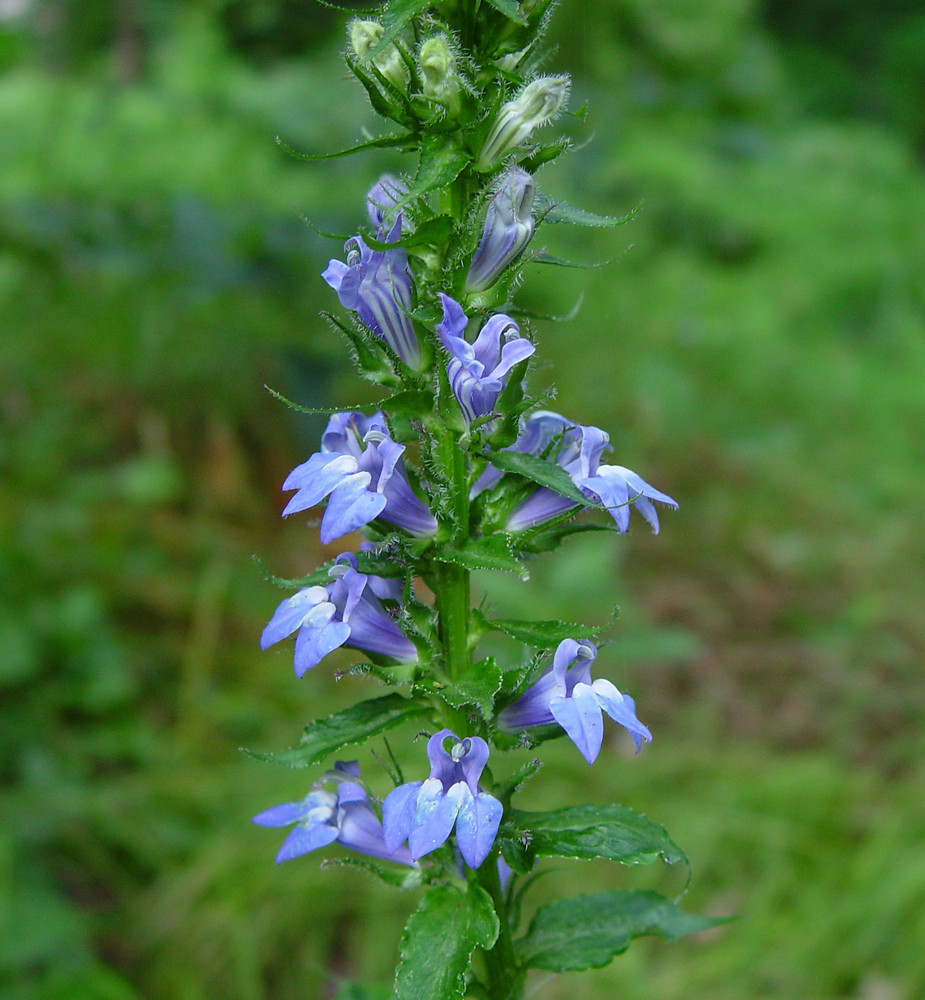
Great Blue Lobelia ( Lobelia siphilitica) By David Taylor. Great blue lobelia, is a member of the Campanulaceae (Bellflower) family. The family includes around 2,400 mostly herbaceous species, most of which occur in North America, Europe and Asia. A number of species are from South Africa.
Plants We Love Great Blue Lobelia (Lobelia siphilitica) Horticulture
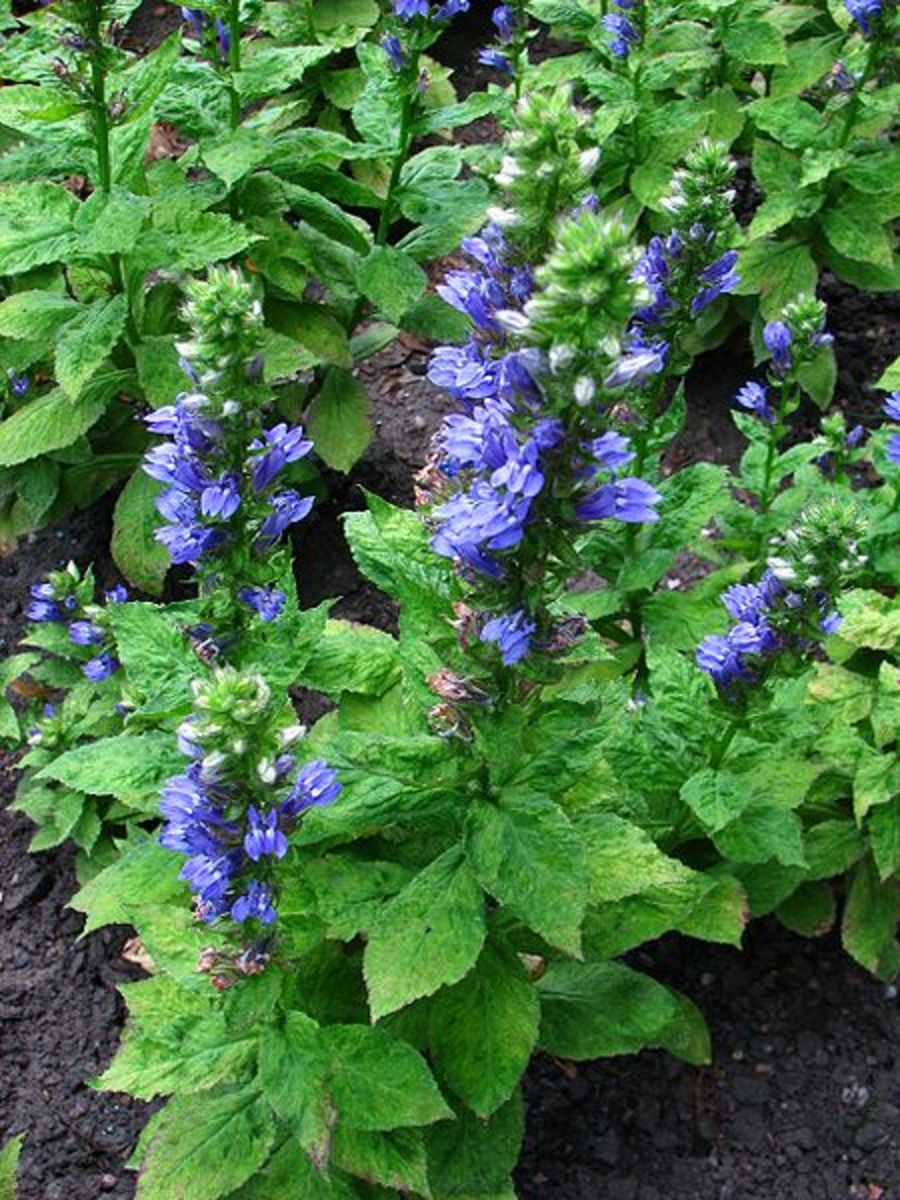
Great Blue Lobelia forms a flower spike covered in deep blue flowers from late summer to early fall. It can form colonies when happily sited in medium to wet soils in light shade, but is not overly aggressive. Combine Blue Lobelia with Cardinal Flower for a stunning color combo that will bring in the hummingbirds. Excellent for damp clay soil.